
What Are Cookies
As is common practice with almost all professional websites this site uses cookies, which are tiny files that are downloaded to your computer, to improve your experience. This page describes what information they gather, how we use it and why we sometimes need to store these cookies. We will also share how you can prevent these cookies from being stored however this may downgrade or 'break' certain elements of the sites functionality.
PRODUCTS
Custom Flat Ribbon Cable Assemblies
Y.C. Cable manufactures custom flat ribbon cable assemblies for OEM electronics, industrial equipment, computer systems, control equipment, and other applications requiring organized parallel conductor routing.
Assemblies are manufactured according to customer-approved drawings, BOMs, conductor count, pitch, wire specifications, connector requirements, pinouts, cable lengths, fold or routing requirements, and testing criteria.
Flat ribbon cable assemblies are commonly selected when a product design requires multiple conductors arranged in a compact, organized configuration.
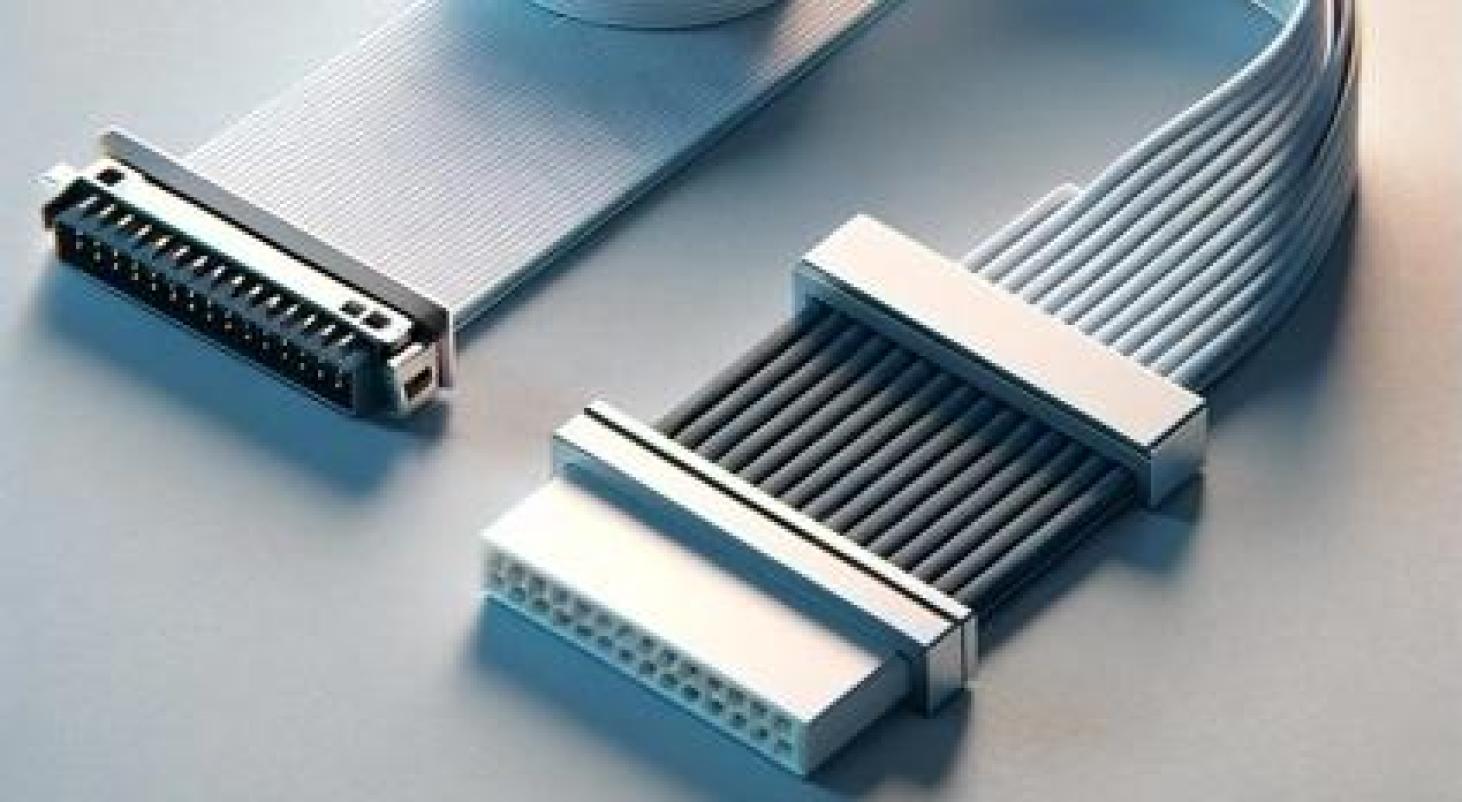
Flat Ribbon Cable Configurations
Projects may include:
• Flat ribbon cable assemblies
• IDC cable assemblies
• Board-to-board connections
• Board-to-wire connections
• Connector-to-connector assemblies
• Internal equipment cables
• Multi-conductor interconnects
• D-sub terminated ribbon cables
• Customer-specific flat cable assemblies
For broader conductor-based cable products, visit Copper Cable Assemblies.
Conductor Count, Pitch & Cable Requirements
Important project inputs may include:
• Number of conductors
• Conductor pitch
• Wire gauge
• Conductor material
• Insulation type
• Cable width
• Cable length
• Cable color
• Pin-1 identification
• Polarity requirements
• Electrical requirements
The cable specification should follow the approved equipment design and connector system.
Connector & Termination Options
Flat ribbon cable assemblies may use customer-approved:
• IDC connectors
• Board connectors
• D-sub connectors
• Socket connectors
• Header-related connector systems
• Crimp-style terminations
• Customer-specified connectors
Project documentation should identify:
• Connector manufacturer
• Connector part number
• Contact count
• Connector orientation
• Pinout
• Keying or polarization
• Strain-relief requirements
Routing, Folding & Installation
One of the key design considerations for flat ribbon cable is how the assembly will route inside the finished equipment.
Requirements may include:
• Overall length
• Fold locations
• Fold direction
• Connector orientation
• Routing path
• Available installation space
• Bend requirements
• Strain relief
• Mounting points
• Service access
Fold locations and connector orientation should be shown clearly on the approved drawing when they affect installation.
Electrical Requirements
Electrical requirements may include:
• Voltage
• Current
• Signal type
• Pin assignment
• Grounding
• Conductor spacing
• Crosstalk limitations when applicable
• Shielding when applicable
• Continuity testing
• Customer-defined signal requirements
Flat ribbon construction alone does not guarantee high-speed data or low-crosstalk performance. Those requirements should be defined by the complete cable and system specification.
Identification & Polarization
To reduce assembly and installation ambiguity, projects may define:
• Pin-1 marking
• Cable edge marking
• Connector keying
• Polarized connectors
• Labels
• Part-number identification
• Orientation markings
These requirements should be included in the drawing or BOM.
Flat Ribbon Cable Applications
Custom flat ribbon cable assemblies may support:
• Electronic equipment
• Industrial controls
• Internal PCB connections
• Computer-related equipment
• Displays
• Test equipment
• Control panels
• Instrumentation
• Other OEM electronics
For applications requiring broader custom cable configurations, visit Custom Cable Assembly.
Prototype to Production
Projects may include:
• Engineering prototypes
• NPI builds
• First articles
• Fit and routing evaluation
• Electrical evaluation
• Low-volume production
• Repeat manufacturing
For prototype and NPI builds, visit Quick-Turn Cable Assembly Prototyping.
For released drawings and BOMs, visit Build-to-Print Cable Assembly Services.
Manufacturing & Inspection
Depending on the approved design, manufacturing may include:
• Cable cutting
• Conductor preparation
• Connector termination
• IDC termination
• Crimping when specified
• Connector assembly
• Cable folding or forming according to drawing
• Strain-relief installation
• Labeling
• Continuity testing
• Pinout verification
• Visual inspection
• Dimensional inspection
Learn more about Cable Assembly Manufacturing Capabilities.
What We Need to Quote a Flat Ribbon Cable Assembly
Please provide:
• Drawing
• BOM
• Ribbon cable specification
• Conductor count
• Pitch
• Wire gauge
• Connector part numbers
• Pinout
• Cable length
• Fold or routing requirements
• Connector orientation
• Quantity
• Estimated annual volume
• Testing requirements
• Current revision
• Target delivery date
Frequently Asked Questions
What is a flat ribbon cable assembly?
A flat ribbon cable assembly uses multiple parallel conductors arranged in a flat configuration and terminated according to a defined connector, pinout, length, and equipment requirement.
Can Y.C. Cable manufacture IDC ribbon cable assemblies?
Yes, when the cable, IDC connector, conductor count, pitch, pinout, and manufacturing requirements are defined in the approved product documentation.
Can ribbon cables be made with custom folds?
Yes. Fold locations and orientation can be manufactured according to customer-approved drawings when compatible with the specified cable construction.
Can flat ribbon cable assemblies include D-sub connectors?
Yes, when the applicable connector, cable, pinout, and termination requirements are specified by the customer.
Can you support prototype ribbon cable assemblies?
Yes. Prototype and first-article builds can support fit, routing, connector orientation, and electrical evaluation before repeat production.
Request a Flat Ribbon Cable Assembly Quote
Send us your drawing, ribbon cable specification, conductor count, pitch, connector part numbers, pinout, quantity, and testing requirements.
Request a Flat Ribbon Cable Quote