
What Are Cookies
As is common practice with almost all professional websites this site uses cookies, which are tiny files that are downloaded to your computer, to improve your experience. This page describes what information they gather, how we use it and why we sometimes need to store these cookies. We will also share how you can prevent these cookies from being stored however this may downgrade or 'break' certain elements of the sites functionality.
PRODUCTS
Custom Copper Cable Assemblies
Y.C. Cable manufactures custom copper cable assemblies for OEM power, signal, data, control, RF, networking, and equipment interconnect applications.
Assemblies are manufactured according to customer-approved drawings, BOMs, conductor and cable specifications, connector part numbers, pinouts, shielding requirements, dimensions, and testing criteria.
Copper is used in many different cable constructions, but electrical performance depends on the complete conductor geometry, insulation, shielding, connector system, cable length, and application requirements—not on conductor material alone.
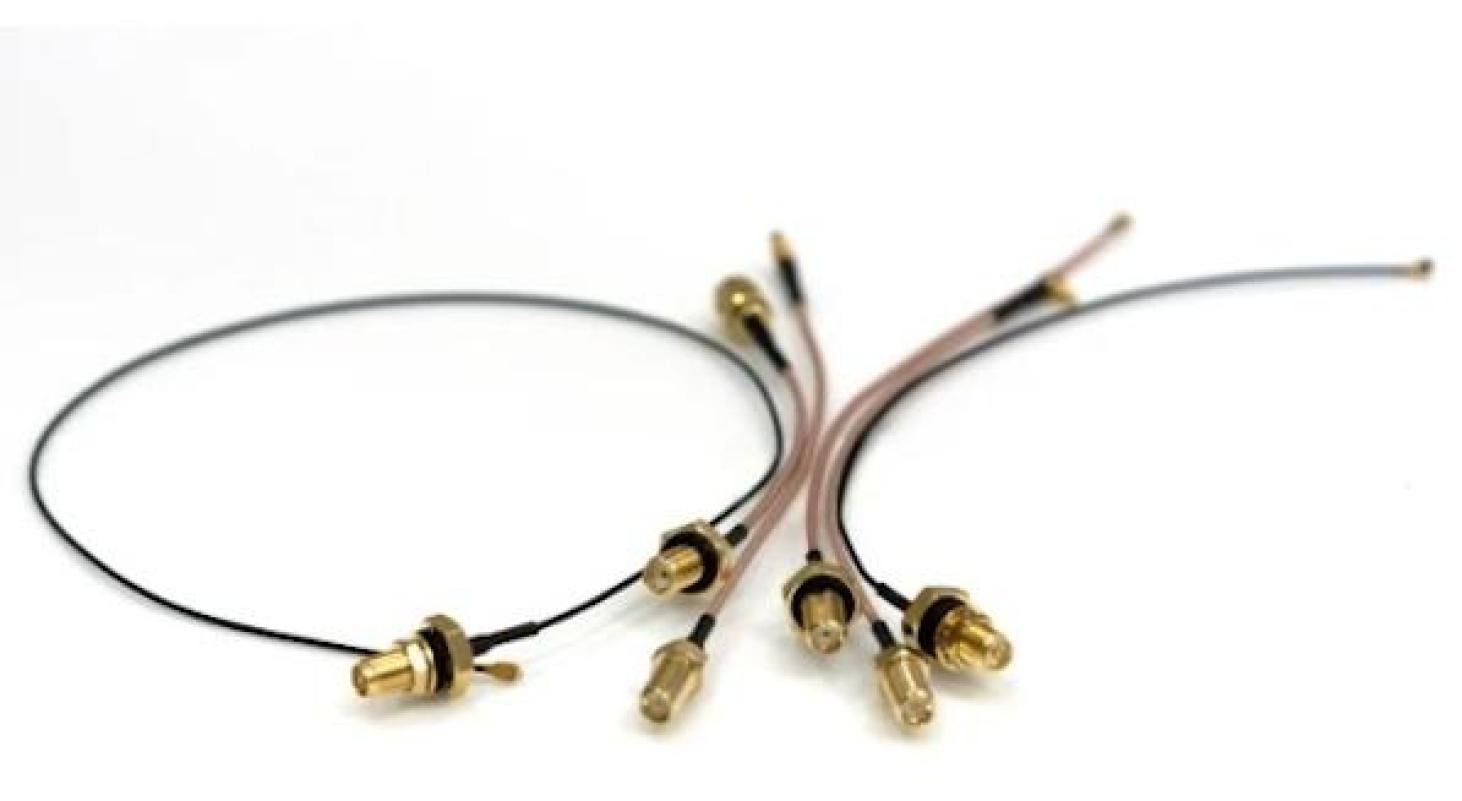
Copper Cable Assembly Types
Copper-conductor cable assemblies may include:
• Multi-conductor cable assemblies
• Power cable assemblies
• Signal cable assemblies
• Control cables
• Twisted-pair cables
• Ethernet cable assemblies
• Coaxial and RF cable assemblies
• Flat ribbon cable assemblies
• Internal equipment cables
• Connector-based OEM cables
For power-focused applications, visit Power Cable Assemblies.
For RF and coaxial applications, visit RF Cable Assemblies.
For flat parallel-conductor configurations, visit Flat Ribbon Cable Assemblies.
Copper Conductor Requirements
Cable construction may be defined by requirements including:
• Conductor size
• Conductor count
• Solid or stranded construction
• Bare or plated conductor when specified
• Strand configuration
• Insulation material
• Cable geometry
• Shielding
• Jacket material
• Cable diameter
• Flexibility
• Temperature requirement
The exact conductor and cable specification should follow the approved product design.
Power, Signal & Data Applications
Power Connections
Copper power cable assemblies should be defined around voltage, current, conductor size, insulation, termination, cable length, and operating environment.
Signal & Control Connections
Signal and control cables may require specific conductor arrangements, pinouts, grounding, shielding, and connector configurations.
Data Connections
Data performance depends on the complete cable construction and interface specification.
For Ethernet-specific designs, visit Ethernet Cable Assemblies.
RF Connections
Coaxial copper cable assemblies require project-specific impedance, frequency, connector, cable, length, and RF test requirements.
Visit RF Cable Assemblies for RF-focused projects.
Connectors & Terminations
Custom copper cable assemblies may use customer-approved:
• Crimp terminals
• Board-to-wire connectors
• Circular connectors
• Power connectors
• RF connectors
• Ethernet connectors
• IDC connectors
• D-sub connectors
• Customer-specified connector systems
Exact manufacturer and part numbers should be included in the BOM whenever available.
Shielding & Grounding
Depending on the application, cable assemblies may require:
• Foil shielding
• Braided shielding
• Drain wires
• Shield termination
• Grounding
• Shielded connector systems
• Customer-defined EMI/RFI requirements
Shielding requirements should be based on the electrical design and operating environment.
Mechanical & Environmental Requirements
The approved design may also define:
• Cable length
• Bend radius
• Routing space
• Repeated movement
• Vibration
• Abrasion
• Temperature
• Moisture
• Oil or chemical exposure
• Strain relief
• Connector orientation
For continuous-motion applications, visit Robotics Cable Assembly Solutions.
Copper Cable Applications
Custom copper cable assemblies may support:
• Industrial machinery
• Electronic equipment
• Networking equipment
• Telecommunications systems
• AI and data center equipment
• Automotive electronics
• Automation systems
• Medical equipment
• Power equipment
• Other OEM products
For server, rack, and infrastructure-related applications, visit AI Data Center & GPU Server Cable Assembly Solutions.
Prototype to Production
Projects may include:
• Engineering prototypes
• NPI
• First articles
• Electrical evaluation
• Mechanical fit evaluation
• Low-volume production
• Repeat manufacturing
For development-stage builds, visit Quick-Turn Cable Assembly Prototyping.
For released designs, visit Build-to-Print Cable Assembly Services.
Manufacturing & Inspection
Depending on the approved design, manufacturing may include:
• Cable cutting
• Stripping and preparation
• Crimping
• Soldering
• Connector assembly
• Shield preparation
• Heat-shrink
• Protective sleeving
• Overmolding
• Labeling
• Electrical testing
• Visual and dimensional inspection
Learn more about Cable Assembly Manufacturing Capabilities.
What We Need to Quote
Please provide:
• Drawing
• BOM
• Copper conductor or cable specification
• Connector and terminal part numbers
• Pinout
• Cable length and tolerances
• Electrical requirements
• Shielding requirements
• Mechanical requirements
• Environmental requirements
• Prototype or production quantity
• Estimated annual volume
• Testing requirements
• Current revision
• Target delivery date
Frequently Asked Questions
What is a copper cable assembly?
A copper cable assembly uses copper-based conductors within a finished cable or wire assembly terminated with connectors, terminals, or other components according to defined electrical and mechanical requirements.
Are all copper cable assemblies suitable for high-speed data?
No. Data performance depends on the complete cable geometry, impedance, shielding, connectors, length, interface, and testing requirements.
Can Y.C. Cable manufacture copper power cables?
Yes. For power-specific requirements, visit Power Cable Assemblies.
Can you manufacture copper Ethernet or RF cables?
Yes, when the applicable cable, connector, electrical, and testing specifications are provided. Visit Ethernet Cable Assemblies or RF Cable Assemblies for those product categories.
Request a Copper Cable Assembly Quote
Send us your drawing, BOM, cable specification, connector information, electrical requirements, quantity, and test criteria.