

Medical Cable & Wire Harness Solutions
Medical equipment can require specialized cable assemblies and wire harnesses for power, signals, sensors, data, controls, and internal system connections.
Y.C. Cable manufactures medical cable assemblies and wire harnesses according to customer-approved drawings, BOMs, specifications, materials, and testing requirements.
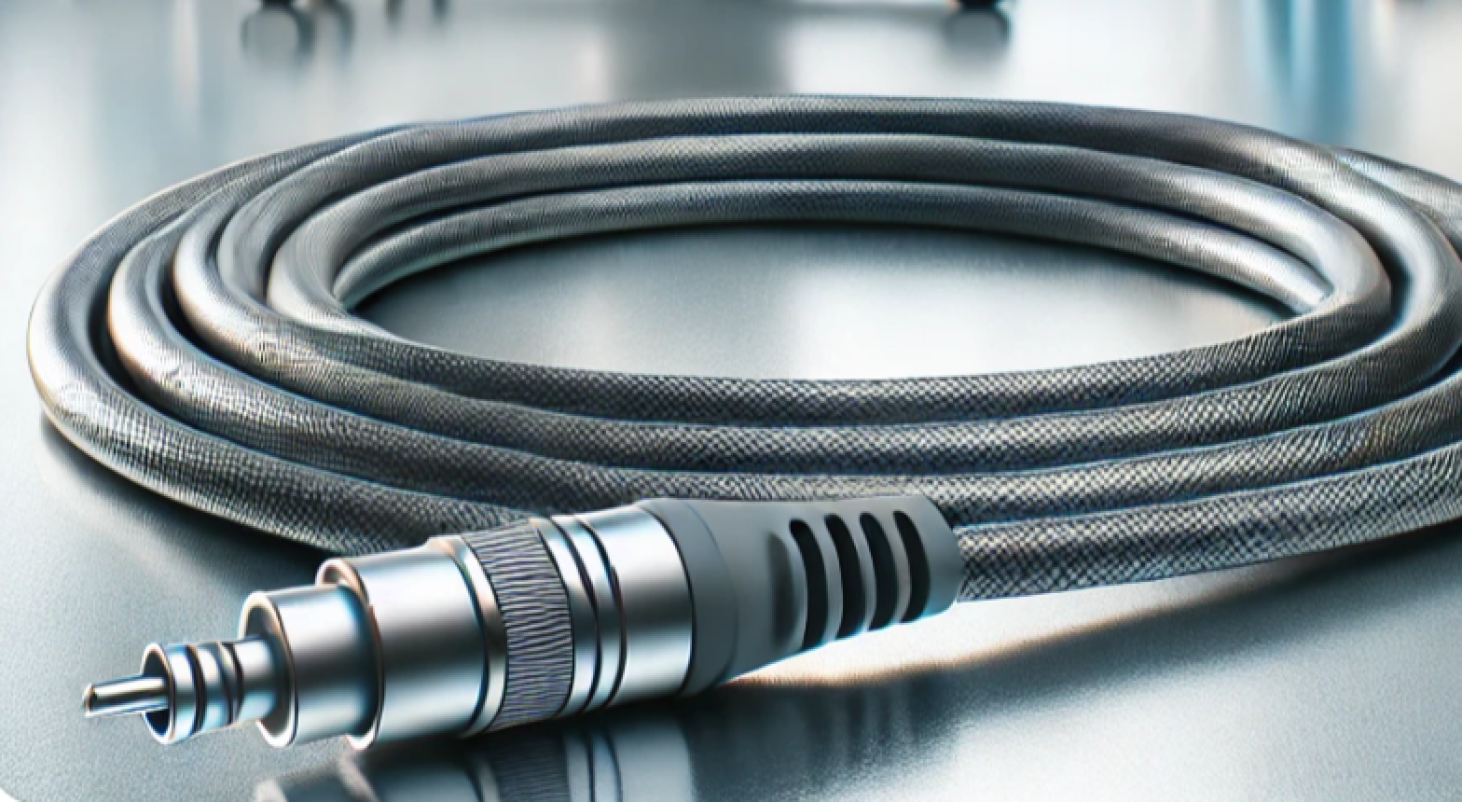
Medical Equipment Applications
Projects may support:
• Patient monitoring equipment
• Diagnostic systems
• Laboratory instruments
• Imaging equipment
• Sensors
• Portable medical equipment
• Surgical equipment
• Medical electronics
• Equipment control systems
• Other customer-defined healthcare applications
For product configurations, visit Medical Cable Assemblies.
Signal, Power & Sensor Connections
Different systems may require different interconnect approaches.
Signal & Sensor Connections
Projects may require attention to shielding, grounding, routing, connector selection, flexing, and electrical interference.
Power Connections
Power connections should be defined according to voltage, current, conductor size, insulation, connector, and installation requirements.
Internal Equipment Wiring
Complex internal systems may use multiple branches, labels, connectors, terminals, protective materials, and routing features.
For multi-branch configurations, visit Medical Wire Harness Assemblies.
Medical Application Design Considerations
Depending on the device, project requirements may include:
• Signal integrity
• EMI/RFI control
• Repeated flexing
• Limited installation space
• Connector retention
• Strain relief
• Cleaning processes
• Chemical exposure
• Material restrictions
• Sterilization requirements
• Labeling
• Traceability
• Inspection documentation
• Customer-defined acceptance testing
These requirements should be identified before material and manufacturing decisions are finalized.
Materials & Environmental Requirements
There is no single material suitable for every medical application.
Material selection should be based on customer requirements such as:
• Flexibility
• Temperature
• Chemical exposure
• Cleaning method
• Sterilization method
• Abrasion
• Patient-contact requirements, when applicable
• Electrical insulation
• Shielding
Any regulatory, biocompatibility, or sterilization requirement should be explicitly defined and approved for the individual project.
Prototype, Validation & Production
Medical equipment projects may move through:
• Prototype
• NPI
• First article
• Fit evaluation
• Electrical evaluation
• Design validation
• Released documentation
• Repeat production
For development-stage projects, visit Quick-Turn Cable Assembly Prototyping.
For released designs, visit Build-to-Print Cable Assembly Services.
What We Need to Review Your Project
Please provide:
• Drawings
• BOM
• Pinout
• Connector specifications
• Material requirements
• Application information
• Environmental requirements
• Cleaning or sterilization requirements, if applicable
• Quantity
• Testing requirements
• Revision level
• Target schedule
Frequently Asked Questions
What medical device information should be provided for cable manufacturing?
Drawings, BOMs, connector information, materials, dimensions, application requirements, testing criteria, and current revision information are recommended.
Do all medical cable assemblies require sterilization-resistant materials?
No. Requirements depend on the finished application. Sterilization compatibility should only be specified when required by the device and approved project documentation.
What is the difference between a medical cable assembly and medical wire harness?
Cable assemblies typically form defined power, signal, sensor, or data connections. Wire harnesses organize multiple wires and branches into a routed internal wiring system.
Discuss Your Medical Cable Project
Send us your documentation, application information, quantity, and testing requirements.