

What Are Cookies
As is common practice with almost all professional websites this site uses cookies, which are tiny files that are downloaded to your computer, to improve your experience. This page describes what information they gather, how we use it and why we sometimes need to store these cookies. We will also share how you can prevent these cookies from being stored however this may downgrade or 'break' certain elements of the sites functionality.
PRODUCTS
Medical Wire Harness Assemblies
YC Cable specializes in manufacturing high-quality medical wire harness assemblies designed to meet the rigorous demands of the healthcare industry. Our solutions provide reliable electrical connections for a wide range of medical devices, ensuring precision, safety, and consistent performance in critical applications. Medical wire harnesses are specialized electrical interconnect systems designed to efficiently transmit signals and power within medical devices.
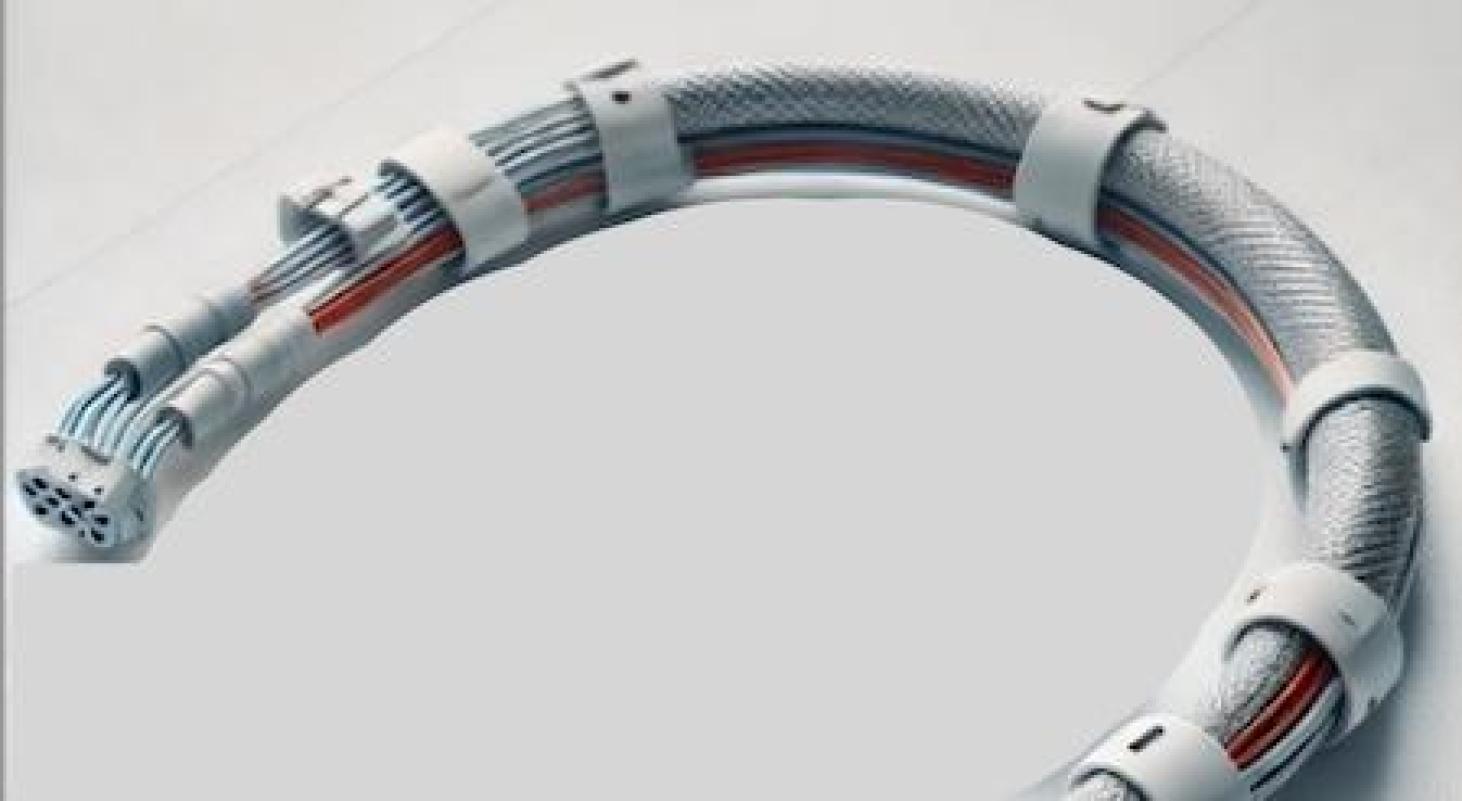
How Medical Wire Harnesses Work
-
Wire Organization – Bundles individual wires into a single unit, enhancing efficiency in power and signal transmission.
-
Error Reduction – Pre-assembled harnesses minimize human errors, ensuring accurate connections and saving valuable time.
-
Compact Design – Designed to fit into small or hard-to-reach spaces, making them ideal for complex medical devices.
Medical Wire Harnesses Applications
-
Ultrasound Machines – Enable seamless communication between components in ultrasound systems.
-
EKGs (Electrocardiograms) – Ensure accurate signal transmission for monitoring heart activity.
-
MRI & CT Scanners – Utilize coaxial cables for high-frequency signal transmission with minimal loss, ensuring precision in imaging.
-
Patient Monitoring Systems – Reliable wiring for ECG, EEG, and vital sign monitoring devices.
-
Surgical & Imaging Equipment – High-performance wire harnesses for MRI, CT scanners, ultrasound machines, and robotic surgery tools.
-
Wearable Medical Devices – Flexible and lightweight wire harnesses for biosensors and patient monitoring wearables.
-
Medical Power & Control Systems – Secure electrical connections for battery-operated medical devices, infusion pumps, and ventilators.
-
Lab & Diagnostic Equipment – Precision wiring solutions for blood analyzers, diagnostic test machines, and automation systems.
Materials Used in Medical Wire Harnesses
Medical wire harnesses are constructed using industry-approved components, including wires, cables, terminations, and interconnects, all designed to meet medical safety and regulatory requirements.
Medical Wire Harness Manufacturing Capabilities
- ISO 13485-compliant manufacturing processes
- Precision crimping, soldering, and termination
- 100% electrical testing and inspection
- Support for sterilization and medical-grade materials
- Scalable production from prototype to high-volume manufacturing
- Precision crimping, soldering, and termination
- 100% electrical testing and inspection
- Support for sterilization and medical-grade materials
- Scalable production from prototype to high-volume manufacturing
Why Choose YC Cable for Medical Wire Harness Assemblies?
At Y.C. Cable, we specialize in manufacturing custom medical wire harness assemblies designed to meet the strict requirements of the healthcare industry. Our wire harnesses provide reliable electrical connections for medical devices, diagnostic equipment, and surgical tools, ensuring precision and safety in critical applications.
Our Key Advantages
-
Custom-Built Solutions – Manufactured based on customer-provided designs and BOM (Bill of Materials) to meet specific medical standards.
-
High-Quality & Biocompatible Materials – We source premium-grade insulation, shielding, and connectorsthat meet medical safety requirements.
-
Complete Sourcing & Assembly – We assist in component sourcing and alternative part identification for cost-effective solutions.
-
Strict Compliance & Standards – Our medical wire harnesses comply with ISO 13485, UL, and FDA regulatory standards.
-
Durability & Reliability – Designed to withstand sterilization processes, repeated flexing, and extreme environments.
Manufacturing & Quality Assurance
At Y.C. Cable, we follow rigorous quality control protocols to ensure every wire harness meets the highest medical industry standards. Our advanced manufacturing process includes:
-
Precision Cutting & Stripping – Ensuring accurate wire dimensions.
-
Crimping & Soldering – Secure electrical connections using high-reliability connectors.
-
Testing & Inspection – 100% electrical testing for continuity, insulation resistance, and functionality.
-
Sterilization-Ready Designs – Wire harnesses built to withstand autoclaving, chemical cleaning, and UV exposure.
-
Custom Assembly & Packaging – Designed for easy integration into medical devices and hospital systems.
Request a Quote for Your Custom Medical Wire Harness
Y.C. Cable is your trusted partner for custom medical wire harness assemblies. Contact us today to discuss your project requirements and get a free quote for your wiring solutions.
Looking for complete interconnect solutions? Explore our medical cable assemblies designed for precision signal and power transmission.