
What Are Cookies
As is common practice with almost all professional websites this site uses cookies, which are tiny files that are downloaded to your computer, to improve your experience. This page describes what information they gather, how we use it and why we sometimes need to store these cookies. We will also share how you can prevent these cookies from being stored however this may downgrade or 'break' certain elements of the sites functionality.
PRODUCTS
Custom Battery Cables
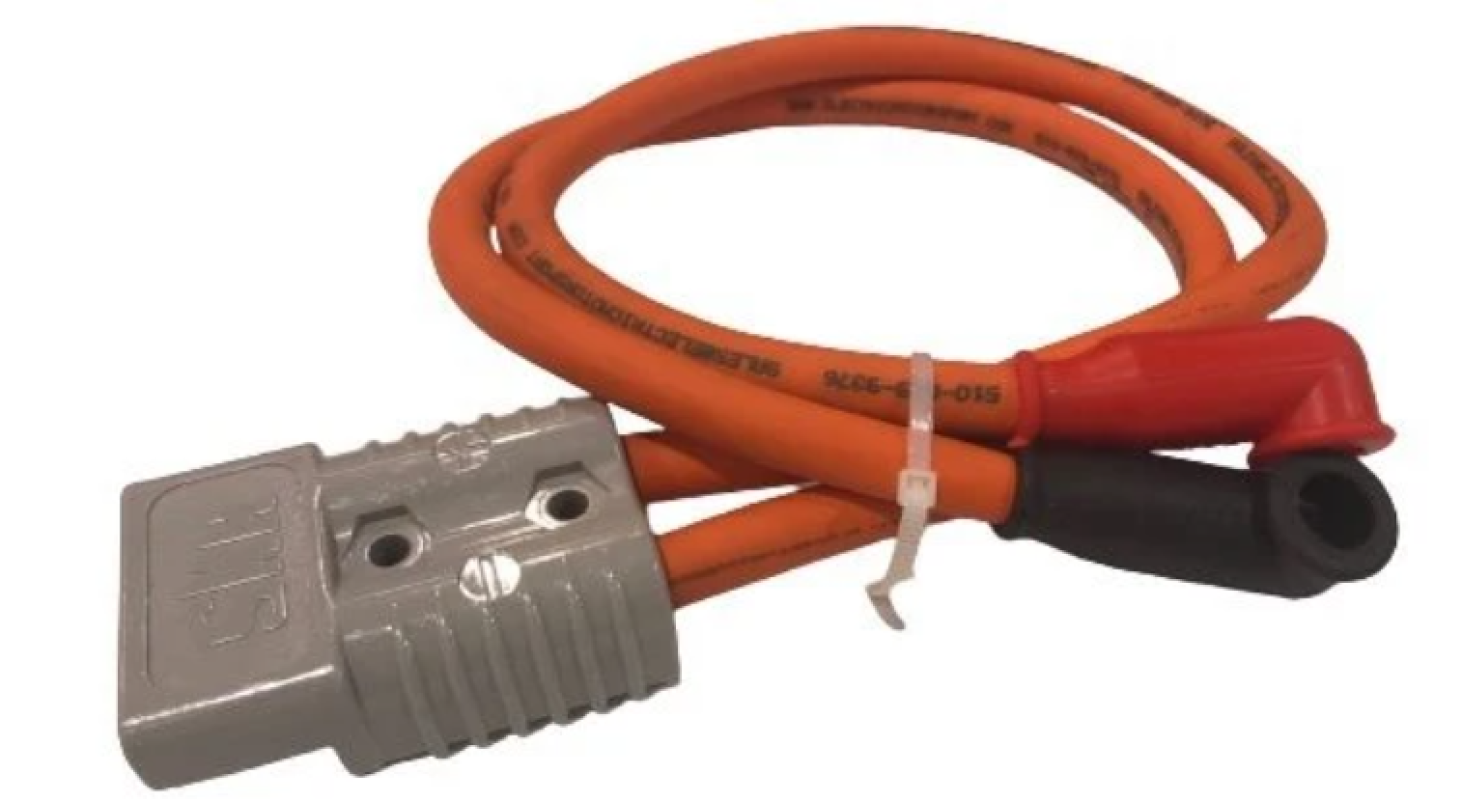
Custom Battery Cables refer to specialized electrical cables designed and manufactured to fit specific battery systems or meet unique electrical requirements. These cables are often used in various industries, including the automotive, marine, and industrial sectors, but they can also be utilized in other applications where standard battery cables may not be suitable. Custom battery cables can be constructed from a variety of materials, such as copper or aluminum, and may be coated for added protection against corrosion and wear. They are also available in different lengths, gauges, and amperage ratings, with specialized connectors that suit the specific application. The cables are made according to the specific design and requirements provided by the customer, hence the name "custom" battery cables. Contact Y.C. Cable for more custom cable assembly services.
What Are Custom Battery Cables?
Custom battery cables are specially designed cables that connect your vehicle's battery to various electrical components, such as the starter, alternator, and other power-consuming devices. These cables are tailored to fit specific vehicle models, ensuring a secure and efficient electrical connection. Unlike standard battery cables, which may be generic and have limited options, custom battery cables are manufactured to meet precise specifications, providing a perfect fit for your vehicle. Y.C. Cable owns a cable assembly & wire harness assemby facotry in Femont, California.
Battery Cable USA
Y.C. Cable owns a cable assembly & wire harness assemby facotry in Femont, Californiam USA. We take great pride in offering a wide range of high-quality custom battery cables tailored specifically to cater to the unique needs of startup companies in Silicon Valley. Our services cater to small orders, including NPI battery cables, prototype battery cables, and sample battery cables, providing startups with the flexibility they need to thrive.
Benefits of Custom Battery Cables
-
Enhanced Power Transfer: Custom battery cables are built with high-quality materials and advanced engineering techniques to minimize electrical resistance. This allows for efficient power transfer, ensuring that your vehicle's electrical components receive the optimal voltage needed for reliable performance.
-
Improved Durability: Custom battery cables are made from durable materials such as copper or tinned copper, which offer excellent conductivity and corrosion resistance. These cables can withstand harsh operating conditions, including extreme temperatures, vibrations, and exposure to chemicals, ensuring long-lasting performance.
-
Precision Fit: Since custom battery cables are designed specifically for your vehicle model, they offer a precise fit. This eliminates the need for modifications or adjustments, making installation quick and hassle-free. A secure and snug connection prevents loose or faulty connections that can lead to electrical issues.
-
Enhanced Electrical Efficiency: With low resistance and high conductivity, custom battery cables minimize power loss during transmission. This efficiency results in reduced voltage drops and ensures that electrical components receive the required power for optimal performance.
Different Types of Custom Battery Cables
There are various types of custom battery cables available in the market, each designed to suit specific applications and vehicle models. Some common types include:
-
Battery-to-Starter Cables: These cables connect the battery to the starter motor, providing the initial power to start the engine. They are typically heavy-duty and designed to handle high current flows.
-
Ground Cables: Ground cables connect the battery's negative terminal to the vehicle's chassis, creating a return path for electrical current. They ensure a stable ground connection, preventing electrical malfunctions and potential damage.
-
Auxiliary Power Cables: These cables supply power to additional electrical devices in your vehicle, such as aftermarket audio systems, winches, or auxiliary lighting. They are designed to handle higher current loads and may have additional features like fuse holders or connectors.
What Is Battery Cable Assembly?
-
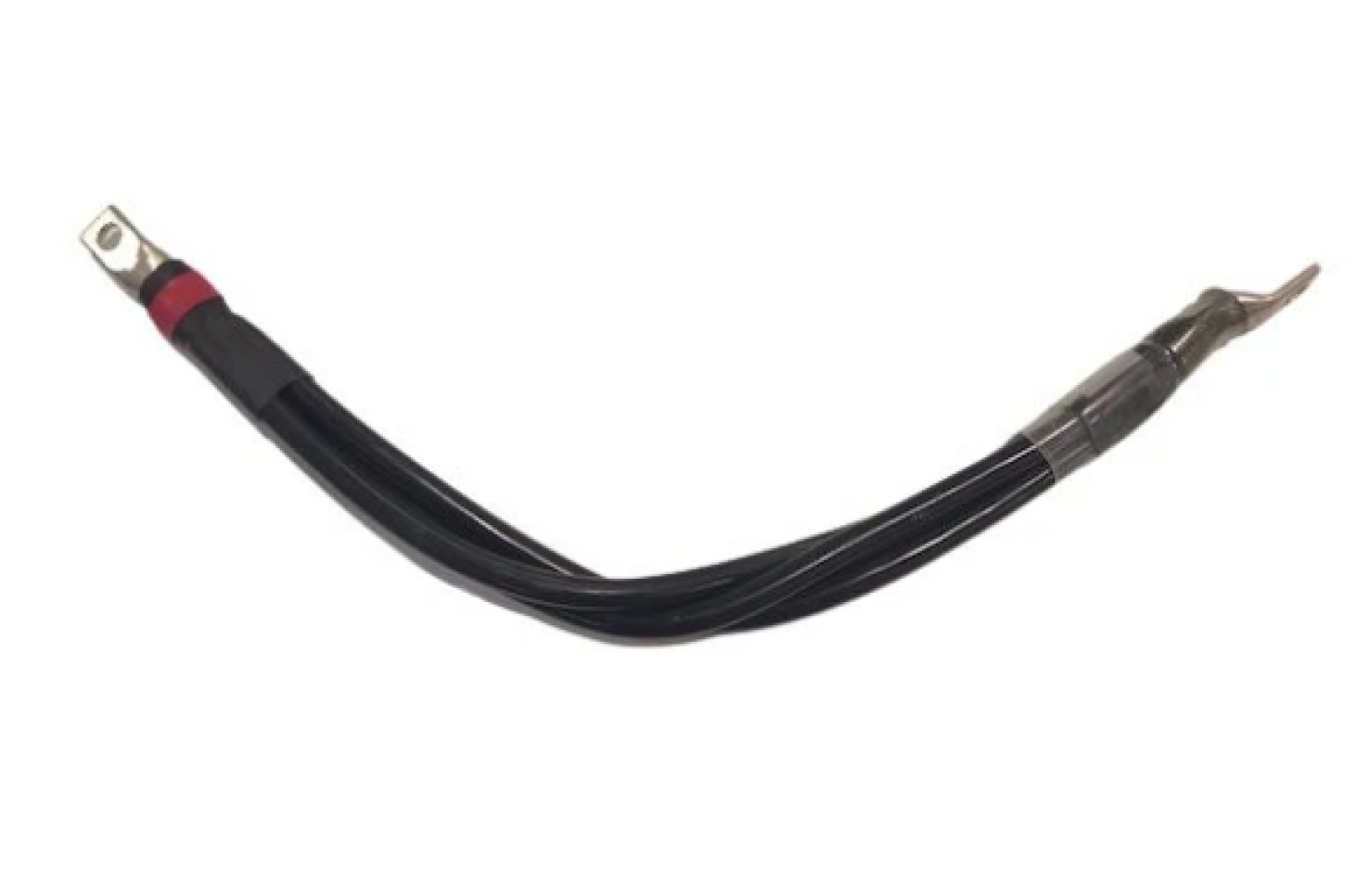
Custom Battery Cables
Terminal connector options:
- Battery cable lugs
- Top Post Terminals
- Side Post Terminals
- Anderson SB Connectors
- Jumper Booster Cable Clamps
- Solder Pellets
- Cover and Boots
- Butt Splices
-
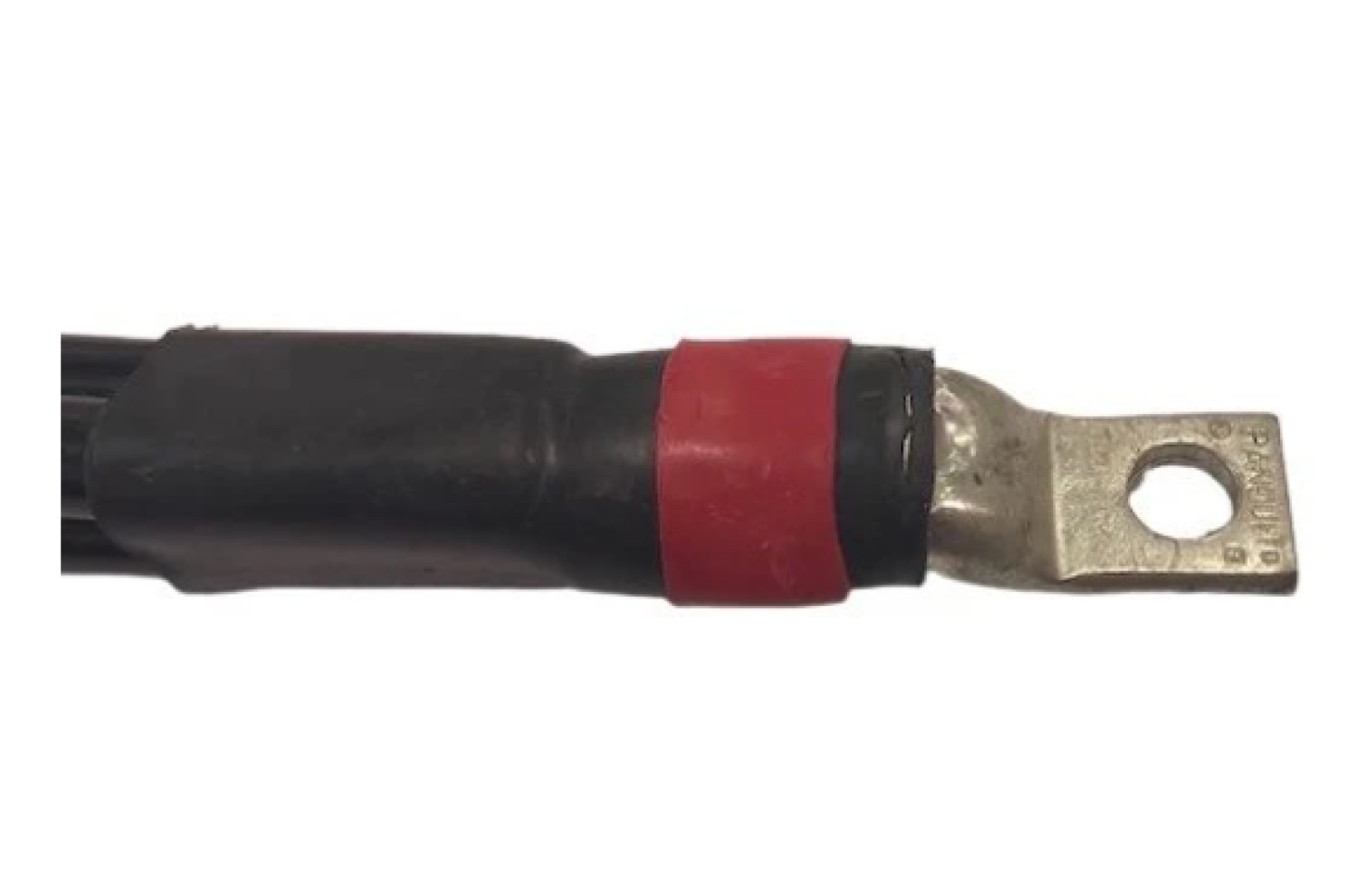
High Voltage Battery Cables Assemblies
Battery cable options:
- Copper
- Pure Copper
- Lead
- Lead-free
- Fusion
- Compression
- Brass
- Gold Style
A battery cable assembly is a set of cables and terminals that connect a battery to an electrical system. It includes one or more positive and negative cables, along with the necessary terminals or connectors to attach them to the battery and other components in the system. These cables and terminals may be made of different materials such as copper, aluminum, or other metals, and may have coatings or insulation to protect them from damage or corrosion. It is an essential part of an electrical system that helps to power the various components of that system.
Type of Connectors for Battery Cables
There are several types of connectors that can be used for battery cables, including:
-
Ring terminals: Ring terminals are circular connectors that are typically used to connect the battery cable to the battery post. They are available in different sizes to fit different battery post diameters and are typically made of copper or other conductive materials.
-
Spade terminals: Spade terminals are flat connectors that have a pointed end that is inserted into a receptacle. They are used to connect the battery cable to the starter, alternator, and other electrical components in the vehicle.
-
Bullet connectors: Bullet connectors are cylindrical connectors with a flared end, They are typically used for high-current applications because they have low resistance.
-
Pin connectors: Pin connectors are cylindrical connectors with a pointed end, they are typically used for low-current applications because they have high resistance.
-
Anderson Powerpole: Anderson Powerpole is a modular connector system that is widely used in amateur radio, emergency communications, and industrial applications. They are a good choice for high-power applications as they can handle large amounts of amperage.
-
Anderson SB Series: SB Series connectors are designed to be interchangeable with the traditional Anderson Powerpole connectors but with a smaller and more compact form factor.
-
T-Connectors: T-Connectors are connectors that split the battery cable into two or more branches, they are used when multiple connections need to be made from a single battery.
-
Connectors with lock mechanism: Some connectors come with a locking mechanism, these types of connectors help to keep the connections secure and prevent accidental disconnection.
Different applications may require different types of connectors. The choice of connector will depend on the specific requirements of the application, such as the current and voltage, the size and weight of the cable, and the environment in which it will be used. Contact Y.C. CABLE for more custom battery cable assemblly needs.
Application of Battery Cable Assemblies
-
Automobiles: Battery cables are used to connect the battery to the electrical system of a vehicle. They are used to supply power to the starter, alternator, and other electrical components in the vehicle.
-
Heavy equipment: Battery cables are used in construction equipment, farming equipment, and other heavy machinery to power the engine, lights, and other electrical systems.
-
Marine: Battery cables are used in boats, ships, and other watercraft to power the engine, lights, and other electrical systems.
-
Power backup systems: Battery cables are used in backup power systems, such as uninterruptible power supplies (UPS) to connect the batteries to the electronic devices and the charging source.
-
Solar energy systems: Battery cables are used in solar energy systems to connect the solar panels to the charge controller and to the batteries.
-
Industrial equipment: Battery cables are used in industrial equipment, such as forklifts, conveyors, and other machinery to power the motor and other electrical systems.
-
Portable tools: Battery cables are used in portable power tools such as drill and saws to connect the battery to the motor.
-
Electric vehicles: Battery cables are used in electric vehicles such as electric cars, bikes, and golf carts to connect the battery to the electric motor and other electrical systems.
-
And More...
Battery Cable Assembly Manufacturer
Y.C. CABLE has been battery cable assembly manufacturer for over 40 years. We are not only providing custom battery cable assemblies, we also provide light electronic assembly & kitting assembly services. We have multiple facilities; this includes a location within the Silicon Valley, Bay Area at Fremont, California, and another location within the East Coast at Piscataway, New Jersey. Y.C. CABLE manufactures according to IPC 620 and Telcordia GR-326 specifications, in addition to being ISO 9001:2015 in the USA. We also offer cost-saving manufacturing solutionsfor components, labor, production, and quick-turn services.
Among the many custom cable assembly suppliers, Y.C. CABLE is a professional factory offering a wide range of services from wire and cable assemblies to kitting and assembly services. No matter what technical requirements you have, we are ready to work with you to deliver products in a timely manner and provide excellent quality and service support. Contact us to get a quick quote and more information.
For off-the-shelf cables and accessories, please visit our online store: GRANDMAX.