
What Are Cookies
As is common practice with almost all professional websites this site uses cookies, which are tiny files that are downloaded to your computer, to improve your experience. This page describes what information they gather, how we use it and why we sometimes need to store these cookies. We will also share how you can prevent these cookies from being stored however this may downgrade or 'break' certain elements of the sites functionality.
PRODUCTS
Custom Overmolded Cable Assemblies
Y.C. Cable manufactures custom overmolded cable assemblies for OEM applications requiring molded connector transitions, mechanical strain relief, cable protection, identification, or application-specific geometry.
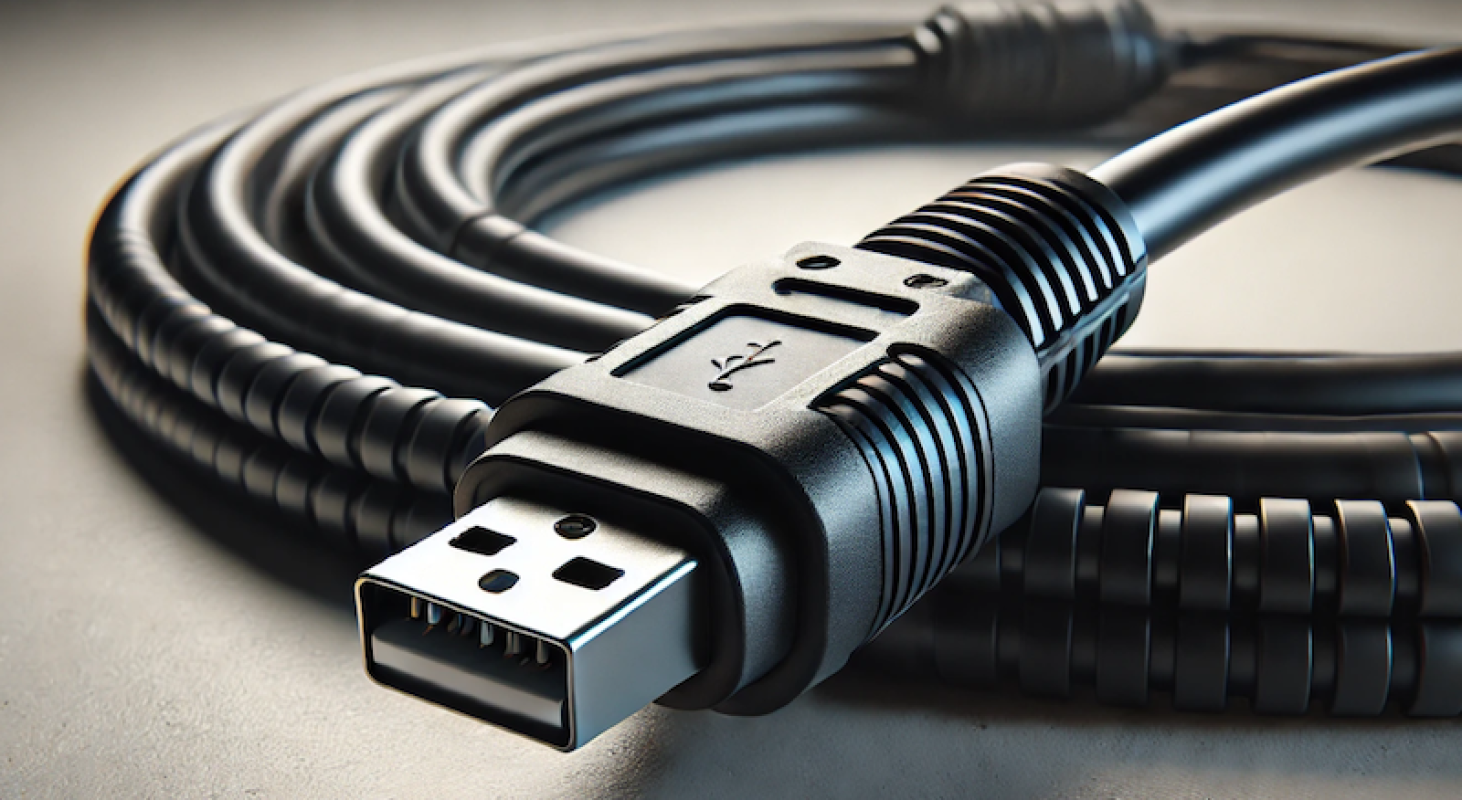
An overmold is applied around a connector, termination, or cable transition using tooling and material selected for the approved product design.
Because performance depends on the connector, cable, molding material, geometry, tooling, and application, each overmolded assembly should be reviewed according to its specific requirements.
Why Use Cable Overmolding?
Depending on the design, overmolding may be used to provide:
• Mechanical strain relief
• Connector-to-cable transition support
• Cable exit control
• Connector protection
• Improved handling
• Product identification
• Custom geometry
• Encapsulation of selected assembly features
• Application-specific environmental protection
The required function of the overmold should be defined before material and tooling decisions are finalized.
Overmolding Design Requirements
Important project inputs may include:
• Connector part number
• Cable type and diameter
• Cable exit direction
• Required overmold dimensions
• Straight or angled geometry
• Strain relief requirements
• Flex requirements
• Surface and cosmetic requirements
• Material requirements
• Color
• Logo or identification requirements
• Environmental requirements
• Tooling requirements
Providing a drawing or dimensional concept is particularly helpful for custom molded assemblies.
Material Selection
Overmolding material should be selected around the connector, cable jacket, mechanical requirements, environment, and required manufacturing process.
Potential considerations include:
• Material compatibility
• Flexibility
• Hardness
• Temperature exposure
• Chemical exposure
• Abrasion
• Color
• Adhesion
• Mechanical strain
• Cleaning requirements
A specific material should not be assumed suitable for an application until the project requirements are reviewed.
Connector & Cable Options
Overmolding may be considered for various customer-specified connector systems, including:
• Board-to-wire connector assemblies
• Circular connectors
• M12 assemblies
• Power connectors
• Signal connectors
• Data connectors
• Customer-specific connector systems
For M12-based products, visit M12 Cable Assemblies.
For broader connector-based products, visit OEM Cable Assemblies & Connector Solutions.
Overmolding & Strain Relief
Strain relief geometry can affect how mechanical loads are transferred between the cable and connector.
Project considerations may include:
• Cable bend direction
• Flexing near the connector
• Cable diameter
• Connector retention
• Overmold length
• Transition geometry
• Installation space
• Pull or retention requirements when specified
The final geometry should follow customer-approved design requirements.
Prototype & Tooling Review
Overmolded cable projects may require additional review before production because tooling and material decisions can affect both the cable assembly and the finished molded geometry.
The development process may include:
• Drawing review
• Connector and cable review
• Material review
• Tooling review
• Prototype build
• Dimensional evaluation
• Customer approval
• Production release
For development-stage projects, visit Quick-Turn Cable Assembly Prototyping.
Manufacturing & Inspection
Depending on the design, the process may include:
• Cable preparation
• Termination
• Connector assembly
• Pre-mold preparation
• Mold setup
• Overmolding
• Trimming or finishing
• Visual inspection
• Dimensional inspection
• Electrical testing
• Customer-defined mechanical testing
Learn more about Cable Assembly Manufacturing Capabilities.
What We Need to Quote
Please provide:
• Cable assembly drawing
• Connector part numbers
• Cable specification
• Overmold drawing or dimensional requirements
• Material requirement, if already specified
• Color requirement
• Cable exit orientation
• Mechanical requirements
• Environmental requirements
• Prototype quantity
• Production quantity
• Testing requirements
• Target schedule
Frequently Asked Questions
What is an overmolded cable assembly?
An overmolded cable assembly uses molded material around a connector, termination, or cable transition to create a customer-defined mechanical or protective feature.
Does overmolding automatically make a cable waterproof?
No. Environmental sealing depends on the complete connector, cable, mold design, material, assembly process, and installation. Required sealing or IP performance should be specifically defined and validated for the project.
Can Y.C. Cable create custom strain relief geometry?
Custom geometry can be reviewed based on connector dimensions, cable size, tooling, space limitations, and customer requirements.
Does overmolding require tooling?
Many custom overmolded designs require application-specific tooling. Tooling requirements depend on the geometry and manufacturing method.
Request an Overmolded Cable Assembly Quote
Send us your connector information, cable specification, overmold dimensions, material requirements, quantities, and application requirements.
Request an Overmolded Cable Quote