
Consumer Electronics Cable & Interconnect Solutions
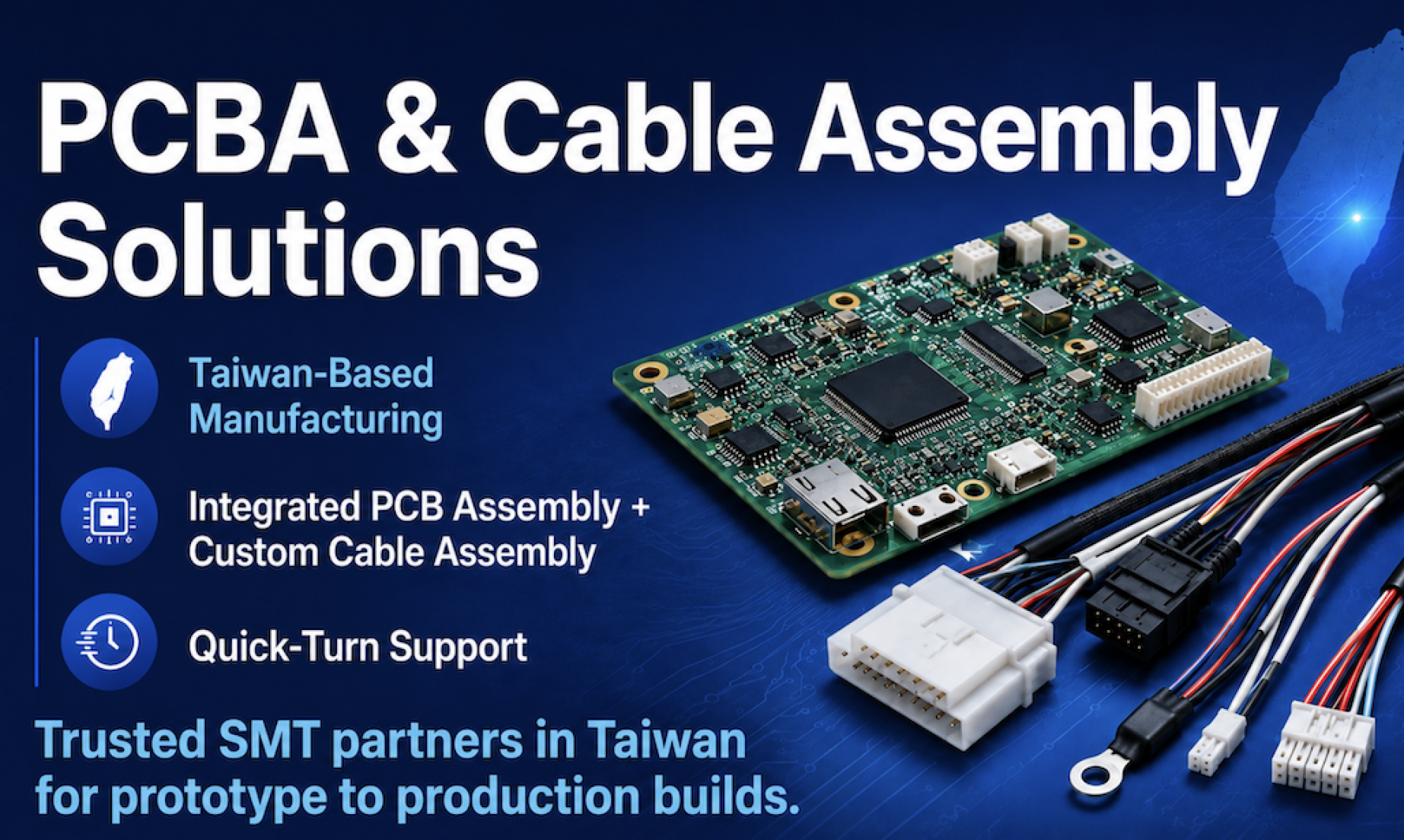
Consumer electronic products often require multiple power, data, signal, and internal equipment connections within compact spaces.
Y.C. Cable manufactures custom cable assemblies and wire harnesses for consumer electronics and electronic equipment according to customer-approved drawings, bills of materials (BOM), connector requirements, electrical specifications, mechanical dimensions, and testing criteria.
Our manufacturing support can be applied to new product development, prototype builds, NPI programs, and repeat OEM production.
Connectivity Requirements for Consumer Electronics
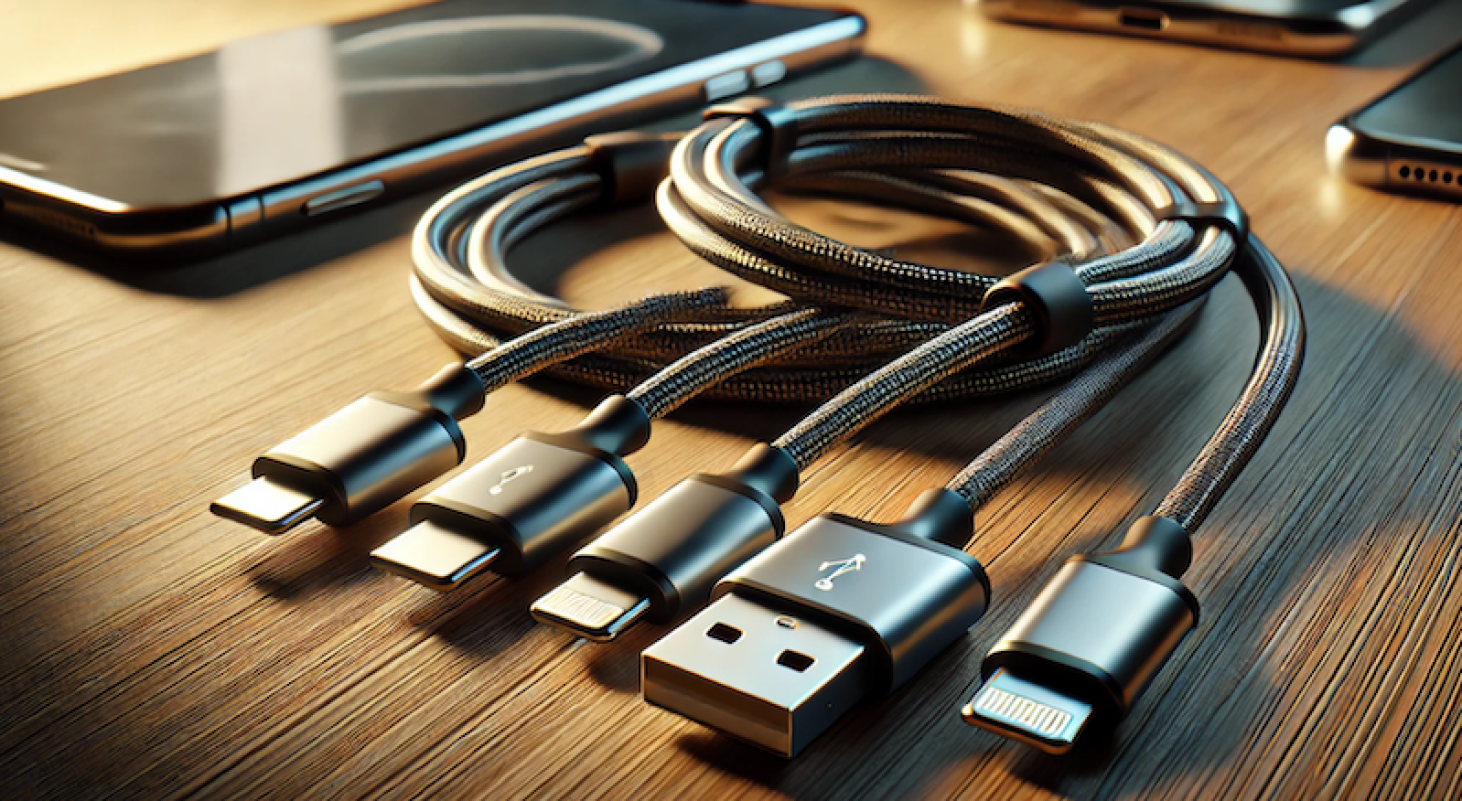
Cable assemblies used in electronic products should be reviewed as part of the complete device rather than selected only by connector type.
Important requirements may include:
• Power and charging
• Data transmission
• Signal connections
• Internal equipment wiring
• Connector selection
• Compact routing
• Shielding and grounding
• Cable flexibility
• Connector retention
• Strain relief
• Appearance and product integration
• Customer-defined testing
The appropriate cable construction depends on the electrical, mechanical, and environmental requirements of the finished product.
Compact Space & Device Integration
Consumer electronics often have limited internal space for cable routing and connector access.
Project considerations may include:
• Available routing space
• Cable diameter
• Connector dimensions
• Connector orientation
• Cable exit direction
• Bend radius
• Branch locations
• Cable length
• Service loops
• Internal mounting points
• Assembly sequence
• Product enclosure design
Providing mechanical drawings or enclosure information during project review can help identify fit and routing concerns before production.
Power & Charging Connections
Electronic devices may require internal or external power connections with customer-defined electrical requirements.
Important information may include:
• Voltage
• Current
• Required power capability
• Conductor size
• Connector system
• Cable length
• Voltage-drop requirements when specified
• Insulation requirements
• Electrical testing
For USB Type-C applications, the connector type alone does not define data or power performance.
For USB-C product configurations, visit USB Type-C Cable Products.
For fully customer-specific USB-C designs, visit Custom USB-C Cable Assemblies.
Data & Signal Connections
Electronic products may use cable assemblies for:
• USB data
• USB Type-C
• Computer interfaces
• Ethernet and networking
• Audio and video signals
• Sensor connections
• Control signals
• Other customer-defined interfaces
Required cable construction should follow the electrical interface, connector, shielding, length, and testing requirements of the product.
EMI, Shielding & Grounding
Electronic devices can contain multiple circuits operating in close proximity.
Depending on the product design, cable requirements may include:
• Foil shielding
• Braided shielding
• Drain wires
• Shield termination
• Grounding
• Shielded connectors
• Separation of power and signal wiring
• Customer-defined EMI/RFI requirements
Shielding should be selected according to the actual electrical design rather than applied as a general requirement to every consumer electronics cable.
Mechanical Durability & Repeated Use
External and internal cable assemblies may experience different mechanical conditions.
Project requirements may include:
• Repeated bending
• Connector mating and unmating
• Cable pulling
• Strain near the connector
• Product movement
• Routing through hinges or moving components
• Abrasion
• Cable retention
• Limited bend space
When mechanical protection is required, cable assemblies may incorporate strain relief, protective sleeving, heat-shrink, or overmolding.
For molded connector transitions, visit Overmolded Cable Assemblies.
Consumer Electronics Applications
Custom cable assemblies and wire harnesses may support:
• Computing equipment
• Peripheral devices
• Smart devices
• Communication equipment
• Audio/video equipment
• Charging equipment
• Embedded electronic products
• Home electronics
• Control devices
• Test and measurement equipment
• Other customer-defined electronic systems
For available product families, visit Consumer Electronics Cable Assemblies.
Product Development & NPI Support
New consumer electronics programs may begin with:
• Engineering prototypes
• Proof-of-concept builds
• New Product Introduction (NPI)
• First articles
• Fit evaluation
• Electrical evaluation
• Design validation
• Pilot or lower-volume production
• Repeat production
For development-stage builds, visit Quick-Turn Cable Assembly Prototyping.
For released products with approved drawings and BOMs, visit Build-to-Print Cable Assembly Services.
Manufacturing & Testing
Depending on the approved product design, manufacturing may include:
• Cable cutting and preparation
• Insulation stripping
• Crimping
• Solder termination
• Connector assembly
• Shield preparation and termination
• Wire harness assembly
• Protective sleeving
• Heat-shrink
• Overmolding
• Strain relief
• Labeling and identification
• Pinout verification
• Electrical testing
• Visual and dimensional inspection
• Customer-defined functional testing
Learn more about Cable Assembly Manufacturing Capabilities.
What We Need to Review Your Project
Please provide as much of the following information as possible:
• Drawing or existing sample
• Bill of Materials
• Connector manufacturer and part numbers
• Pinout or wiring diagram
• Cable specifications
• Required electrical interface
• Voltage, current, and power requirements
• Cable length and tolerances
• Mechanical layout or enclosure information
• Shielding requirements
• Prototype or production quantity
• Estimated annual volume
• Inspection and testing requirements
• Current revision
• Target delivery date
Frequently Asked Questions
What cable requirements are important for consumer electronics?
Important requirements can include connector selection, available routing space, data interface, voltage and current, shielding, cable flexibility, connector orientation, mechanical protection, and testing.
Can Y.C. Cable manufacture from our product drawings and BOM?
Yes. Projects can be reviewed using customer drawings, BOMs, pinouts, connector information, electrical requirements, mechanical dimensions, quantities, and testing criteria.
Can you support compact cable assemblies for space-constrained devices?
Cable length, conductor construction, connector orientation, routing, cable diameter, and mechanical features can be manufactured according to customer-approved product requirements.
Can you support prototypes before production?
Yes. Prototype and first-article builds can support fit, routing, electrical, mechanical, and product evaluation before repeat production.
Where can I see available consumer electronics cable products?
Visit Consumer Electronics Cable Assemblies for USB Type-C, Lightning, computer, and other OEM cable product families.
Discuss Your Consumer Electronics Cable Project
Send us your drawings, BOM, connector information, electrical requirements, mechanical requirements, quantities, and testing criteria.
Request a Consumer Electronics Cable Quote