
When USA-Based Cable Assembly Support Makes Sense
For some OEM programs, working with a cable assembly supplier that has U.S.-based engineering, customer support, prototyping, or manufacturing resources can simplify communication during product development.
For other programs, production volume, component sourcing, cost, or supply-chain requirements may make another manufacturing location more appropriate.
The best model depends on the individual program rather than assuming domestic or offshore manufacturing is always the better option.
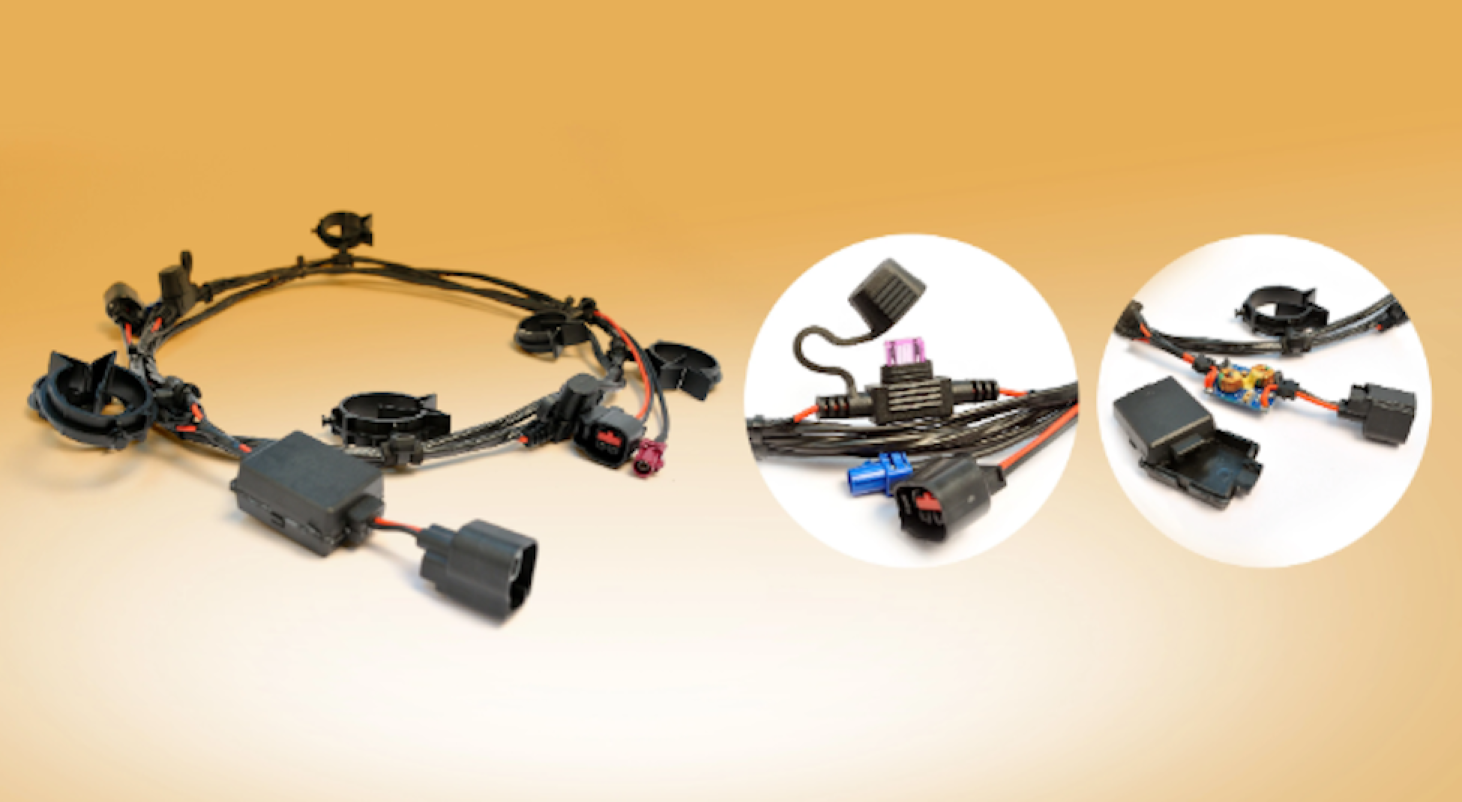
Prototype and NPI Programs
U.S.-based support may be useful when engineering teams are actively evaluating:
- Fit
- Cable routing
- Connector orientation
- Electrical requirements
- Mechanical requirements
- Documentation
- First articles
- Testing
Close communication can be particularly useful while the design is still changing.
For development-stage programs, visit Quick-Turn Cable Assembly Prototyping.
Engineering Communication
New products frequently generate questions involving:
- Drawings
- BOMs
- Pinouts
- Connectors
- Cable construction
- Material availability
- Mechanical dimensions
- Testing
Having engineering and customer-support resources in a similar time zone can simplify review and communication.
Visit Engineering Support for DFM, NPI, reverse engineering, and documentation support.
Production Transfer
U.S.-based support can also be useful when an OEM is transferring an existing cable or wire harness from:
- Internal manufacturing
- Another supplier
- A discontinued product line
- A changing supply chain
Production transfer may require review of:
- Released drawings
- BOM
- Existing samples
- Test fixtures
- Tooling
- Work instructions
- Revisions
- Production history
For outsourcing and transfer programs, visit Contract Wire Harness Manufacturing & Supply Chain Support.
When Global Production May Be Appropriate
Programs with different production requirements may benefit from manufacturing resources in other regions.
Factors may include:
- Volume
- Material sourcing
- Component availability
- Labor content
- Tooling
- Supply-chain strategy
- Customer delivery locations
- Required certifications
- Production schedule
Manufacturing location should be selected based on the requirements of the individual program.
Local Support Does Not Mean Every Product Is Made Locally
When evaluating a supplier, buyers should distinguish between:
- Sales location
- Engineering location
- Customer support
- Prototype location
- Production location
- Component sourcing location
Ask which facility would actually manufacture the proposed product.
Certification Scope Should Also Be Confirmed
For multi-location manufacturers, certifications may vary by operation and facility.
OEMs should verify:
- Which location holds the certification
- Certification scope
- Proposed manufacturing location
- Customer-specific quality requirements
Visit Y.C. Cable Certifications for current location-specific information.
Supply-Chain Diversification
Some OEMs prefer manufacturing options across more than one geographic region.
Potential objectives may include:
- Additional capacity
- Supply-chain diversification
- Production-transfer flexibility
- Different prototype and production requirements
- Regional customer support
The appropriate strategy depends on approved components, tooling, documentation, quality requirements, and program economics.
Questions to Ask Before Selecting a Manufacturing Location
Ask the supplier:
- Where will prototypes be manufactured?
- Where will production be manufactured?
- Which certifications apply at that location?
- How are revisions transferred between locations?
- How are components sourced?
- Will the same BOM be used?
- What testing will be performed?
- What happens if production volume changes?
These questions give a clearer picture than simply asking whether the supplier is “USA-based.”
Y.C. Cable Operations
Y.C. Cable maintains operations in the United States and Asia supporting engineering, customer programs, manufacturing, sourcing, and production requirements.
The appropriate manufacturing plan is reviewed according to the individual project.
Learn more About Y.C. Cable.
What to Provide for Project Review
Provide:
- Drawing
- BOM
- Pinout
- Connector information
- Prototype quantity
- Production quantity
- Annual forecast
- Manufacturing-location requirements
- Testing requirements
- Required certifications
- Target schedule
Discuss Your Cable Assembly Project